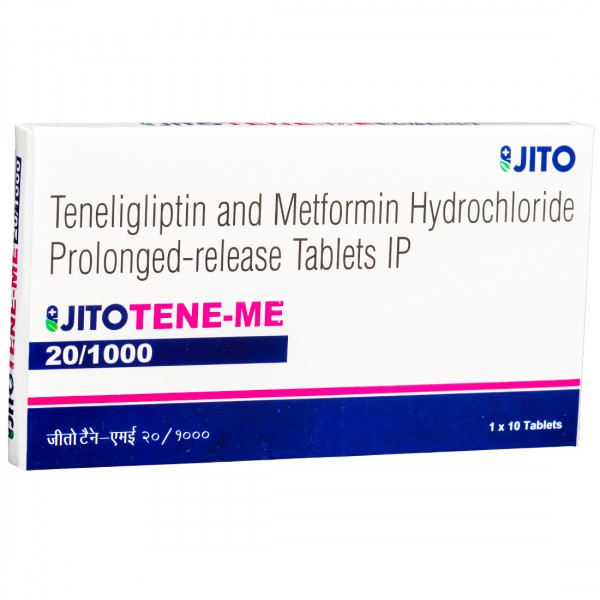
MEDICINE OVERVIEW OF Jitotene ME 20/1000 Tablet (10 Tab)
THERAPEUTIC CLASS OF Jitotene ME 20/1000 Tablet (10 Tab)
WHY Jitotene ME 20/1000 Tablet (10 Tab) IS PRESCRIBED
Substitutes for - Jitotene ME 20/1000 Tablet (10 Tab)
HOW IT WORKS
HOW TO TAKE
WHEN TO TAKE
Jitotene ME 20/1000 Tablet (10 Tab) Warnings
Precautions of Jitotene ME 20/1000 Tablet (10 Tab)
Contraindications of Jitotene ME 20/1000 Tablet (10 Tab)
Side Effects of Jitotene ME 20/1000 Tablet (10 Tab)
Alcohol Interaction
Food to Avoid
Pregnancy/Lactation Protocol
Storage of Jitotene ME 20/1000 Tablet (10 Tab)
- Doctor's Note Required for this item
- Country of Origin: India
- Expires on: Oct 2027
- 14 days Return Policy
- Manufacturer Details
-
Seller Information:
Doctor's Note Required
MRP*:
Rs.145.00
60% OFF
Rs.58.00 (* Inclusive of all taxes)
₹ 5.80/Tablet (inclusive of all taxes)
Jitotene ME 20/1000 Tablet Overview:
Jitotene ME 20/1000 Tablet is an oral anti diabetic medicine, used to treat Type 2 diabetes mellitus.
This dual-action formula is recommended when lifestyle modifications, including diet, exercise, and previous treatment with a single oral anti-diabetic medication or monotherapy with Teneligliptin or metformin, do not adequately manage blood sugar levels.
Type 2 diabetes can lead to serious complications, including cardiovascular disease such as heart attack and stroke, as well as kidney damage, nerve damage, vision problems, slow wound healing, etc.
Jitotene ME 20/1000 Tablet plays an important role by enhancing the body's response to insulin or increasing the body's production of insulin, thereby reducing the risk of these potentially debilitating symptoms.
It is important to note that Jitotene ME 20/1000 Tablet is not for treating Type 1 diabetes or diabetic ketoacidosis.
Composition:
Each uncoated bilayered tablet contains- Teneligliptin Hydrobromide Hydrate equivalent to Teneligliptin: 20 mg, Metformin Hydrochloride (As Prolonged release form): 1000 mg and Excipients q.s.
Colour: Ferric Oxide Yellow (In Teneligliptin Layer).
Uses & Benefits of Jitotene ME 20/1000 Tablet:
Jitotene ME 20/1000 Tablet is used for the treatment of Type 2 diabetes mellitus or non-insulin-dependent diabetes mellitus (NIDDM).
How Does Jitotene ME 20/1000 Tablet Work:
Jitotene ME 20/1000 Tablet contains Teneligliptin, a DPP-4 inhibitor, and Metformin, a biguanide, which work together through two distinct mechanisms to manage blood sugar levels.
Teneligliptin prevents the breakdown of "incretin" hormones, glucagon-like peptide-1 (GLP-1) and glucose-dependent insulinotropic polypeptide (GIP). These hormones signal the pancreas to release more insulin after a meal and stop the liver from producing too much sugar.
Whereas, Metformin reduces the amount of sugar the liver produces and slows down the absorption of sugar from the intestines. It also helps the body’s cells respond better to insulin.
Dosage of Jitotene ME 20/1000 Tablet:
- Usage Direction
Take Jitotene ME 20/1000 Tablet strictly according to your doctor’s advice, following the prescribed dose and timing. Do not crush, chew or break the Jitotene ME 20/1000 Tablet before swallowing, preferably at the same time each day. Do not stop or alter the dose of Jitotene ME 20/1000 Tablet without consulting your doctor, as this may prevent you from achieving the desired outcome. If you are unsure about the administration procedures of Jitotene ME 20 mg/500 mg, consult with your doctor or pharmacist.
- Missed Dose
If you miss a dose of Jitotene ME 20/1000 Tablet, take it as soon as you remember on the same day. But, if it is almost time for your next scheduled dose, skip the one you missed and continue following your regular dosing schedule. Do not attempt to take two doses if you have forgotten one.
You can set reminders on your smartphone, keep drug organizer boxes, or use other audio-visual technologies to prevent missing a dose.
- Overdose
If you accidentally take Jitotene ME 20/1000 Tablet more than your prescribed dose, seek immediate medical advice, as this may lead to serious side effects. Symptoms may include severe hypoglycemia (low blood sugar) or lactic acidosis (nausea, stomach pain, or rapid breathing). Management of overdose could be through supportive care, such as administration of glucose or removal of unabsorbed drug from the GI tract in case of hypoglycaemia. Whereas, in cases of lactic acidosis, possible dialysis may be suggested along with an ECG.
Contraindications of Jitotene ME 20/1000 Tablet:
Do not take Jitotene ME 20/1000 Tablet if you are allergic to teneligliptin, metformin, or any of the other ingredients of this medicine. This medicine is contraindicated in patients with type 1 (insulin-dependent) diabetes mellitus, diabetic ketoacidosis, diabetic coma or pre-coma, or metabolic/lactic acidosis. Avoid use in severe renal or hepatic impairment, acute or unstable heart failure, recent myocardial infarction, severe circulatory or respiratory failure, and decompensated heart failure.
Precautions & Warnings of Jitotene ME 20/1000 Tablet:
Use Jitotene ME with caution if you have severe liver disease, serious heart failure (NYHA III–IV), hormone problems (pituitary or adrenal), poor nutrition, irregular meals, heavy alcohol use, or do very intense physical activity, as it may cause low blood sugar. Extra care is needed if you have a history of bowel surgery or blockage, heart rhythm problems, low potassium levels, or take heart rhythm medicines. Regular kidney tests are important, especially in elderly patients, to reduce the risk of lactic acidosis. Stop the medicine before surgery, contrast scans, or during severe illness, vomiting, diarrhea, or dehydration.
Side Effects of Jitotene ME 20/1000 Tablet:
Common side effects of Jitotene ME 20/1000 Tablet include headache, gastrointestinal disorders, such as nausea, vomiting, diarrhea, stomach upset or gas, and intestinal obstruction. These side effects are usually mild and tend to improve as the body adjusts to the medication.
Some of the serious side effects of Jitotene ME 20/1000 Tablet include lactic acidosis, allergic reactions, respiratory tract infection, hypoglycemia (low blood sugar), specifically if used with other diabetic medications due to long-term usage. Patients should monitor their blood glucose levels periodically, as well as other symptoms such as abdominal discomfort, allergic dermatitis, hepatic dysfunction (characterized by yellowing of the skin), and muscle pain. If the symptoms continue, seek medical assistance right away.
Safety Related Concerns of Jitotene ME 20/1000 Tablet:
- Pregnancy
Jitotene ME 20/1000 Tablet is generally not recommended during pregnancy, as there is limited data on the safety of Teneligliptin during pregnancy. If you are pregnant or planning to become pregnant while taking Jitotene ME, consult your healthcare provider immediately. Your healthcare provider may switch to insulin or other safer alternatives to maintain normal blood sugar levels.
Careful and regular blood glucose monitoring during pregnancy is essential to reduce the risk of complications and support healthy fetal development. Always follow your doctor’s advice and do not start or stop any diabetes medication without medical guidance.
- Breastfeeding
It is advisable to avoid using the Jitotene ME 20/1000 Tablet while lactating, as metformin can be transferred through breast milk and may affect the breastfed child. Therefore, consulting with your doctor before taking Jitotene ME 20/1000 Tablet is necessary.
- Alcohol
Avoid alcohol consumption while taking Jitotene ME 20/1000 Tablet, as it may increase the risk of lactic acidosis and can cause unpredictable fluctuation in blood sugar levels.
- Food Interactions
Jitotene ME 20/1000 Tablet can be taken with or without food, your doctor may prescribe it after or with a meal as it might help reduce gastrointestinal side effects. However, maintaining a healthy diet is essential to regulate blood glucose levels, which can be achieved by avoiding high-fat foods, sugary items, and refined carbohydrates as these are primarily responsible for glucose spikes.
- Drug Interactions
Jitotene ME can interact with many medicines. Some drugs like topiramate, zonisamide, acetazolamide, alcohol, and iodinated contrast dyes increase the risk of lactic acidosis. Medicines affecting kidney function (NSAIDs, ACE inhibitors, diuretics, certain antibiotics) need caution. Drugs like insulin or sulfonylureas may increase the risk of low blood sugar, while steroids, thyroid medicines, oral contraceptives, thiazides, and some psychiatric drugs may raise blood sugar and reduce its effect. Certain medicines (e.g., cimetidine, ranolazine, dolutegravir) can increase metformin levels. Beta-blockers may hide low sugar symptoms, and some drugs may cause QT prolongation. Always inform your doctor about all medicines you take.
Always inform your healthcare provider and pharmacist about all medications you are taking, including prescription drugs, over-the-counter medications, vitamins, minerals, and herbal supplements, to avoid potential interactions.
- Using Machinery & Driving
Jitotene ME 20/1000 Tablet can affect your ability to drive or operate machinery mainly through the risk of low blood sugar, which causes symptoms like blurred vision, confusion, or drowsiness that mimic intoxication. If you are new to the medication or adjusting doses, avoid these activities until you know how it impacts you. Test sugar before long trips and keep snacks handy. Consult your doctor for personalized tips.
Storage of Jitotene ME 20/1000 Tablet:
Store protected from moisture, at a temperature not exceeding 30°C.
Do not use Jitotene ME Tablet past its expiration date printed on the package. Dispose of expired or unused medications properly according to local guidelines or take them to a pharmacy take-back program.
Keep all medicines out of reach of children.
Additional Information:
- Maintain a consistent exercise routine and a "diabetic diet" (low glycemic index foods).
- Check your blood sugar levels regularly to see how the medication is working, or as directed by your doctor.
- Diabetics should check their feet daily for sores or infections.
- Regular monitoring of blood sugar levels at home, or as directed by your doctor.
- Maintain a healthy body weight.
- Make sure to have quick sugar supplies on hand for low blood sugar episodes.
- Do not stop the medication without consulting your doctor, and never share your medicine with others, even if they have similar symptoms.
Frequently Asked Questions (FAQs)
Q. What is the use of Jitotene ME 20/1000 Tablet and what are its benefits?
A: Jitotene ME 20/1000 Tablet is used to treat Type II diabetes mellitus in adult patients. It helps to reduce glucose production and increase insulin sensitivity and absorption. Hence, manages the raised blood sugar levels.
Q. Is it safe to take Jitotene ME 20/1000 Tablet containing Teneligliptin and Metformin combination?
A: Certainly, it is safe to consume a combination of Teneligliptin and Metformin, as long as you follow the prescribed dosage and duration.
Q. Can I stop taking Jitotene ME 20/1000 Tablet if my blood sugar is normal?
A: No, because diabetes is a chronic condition. Stopping medication without consulting a doctor can lead to dangerous sugar spikes.
Q. Does Jitotene ME 20/1000 Tablet causes weight gain?
A: No, unlike some other anti-diabetic drugs, Metformin is often weight-neutral or may lead to slight weight loss. However, if you notice significant weight loss, it is essential to consult your doctor right away.
Q. Can I take Jitotene ME 20/1000 Tablet if I have type I diabetes?
A: No, you cannot take Jitotene ME 20/1000 Tablet if you have Type 1 diabetes mellitus. It is not suitable for patients with type 1 diabetes, as it helps treat only type 2 diabetes.
Q. What are the serious side effects of Jitotene ME 20/1000 Tablet?
A: Some serious side effects that require immediate medical support include lactic acidosis, severe allergic reactions, infection of the respiratory tract, and hypoglycemia (low blood sugar).
References:
1. Prescribing Information. TENEBLU®-M Tablets. Teneligliptin 20 mg and Metformin Hydrochloride 1000 mg (Sustained Release) Tablets. Last Revised: April 2021. Accessed on: 12th February 2026. Click Here
2. AFOGLIP M/ TENEPURE M/ TENEZA M. Teneligliptin 20 mg and Metformin Hydrochloride Extended Release 500 mg/1000 mg Tablets I.P. Last Revised: Dec 2025. Accessed on: 12th February 2026. Click Here
3. Ten20-M. Teneligliptin + Metformin. Last Revised: January 2022. Accessed on: 12th February 2026. Click Here
4. Teneligliptin Tablets 20 mg and Metformin Hydrochloride 500/1000 mg Extended Release Tablets. Olymprix M 500/ Olymprix M 1000. Last Revised: 17th November 2017. Accessed on: 12th February 2026. Click Here
Disclaimer: The information on this site is not intended or implied to be a substitute for professional medical advice, diagnosis or treatment. All content, including text, graphics and information, contained on or available through this website is for general information purposes only. SastaSundar.com makes no representation and assumes no responsibility for the accuracy of information contained on or available through this website and such information is subject to change without notice. You are encouraged to confirm any information obtained from or through this web site with other sources and review all information regarding any medical condition or treatment with your physician. NEVER DISREGARD PROFESSIONAL MEDICAL ADVICE OR DELAY SEEKING MEDICAL TREATMENT BECAUSE OF SOMETHING YOU HAVE READ ON OR ACCESSED THROUGH ANY WEBSITE.
SastaSundar.com does not recommend, endorse or make any representation about the efficacy, appropriateness or suitability of any specific products, procedures, treatments, opinions or other information that may be contained on or available through this website.