MEDICINE OVERVIEW OF Jitorifax 400 Tablet (10 Tab)
THERAPEUTIC CLASS OF Jitorifax 400 Tablet (10 Tab)
WHY Jitorifax 400 Tablet (10 Tab) IS PRESCRIBED
Substitutes for - Jitorifax 400 Tablet (10 Tab)
HOW IT WORKS
HOW TO TAKE
WHEN TO TAKE
Jitorifax 400 Tablet (10 Tab) Warnings
Precautions of Jitorifax 400 Tablet (10 Tab)
Contraindications of Jitorifax 400 Tablet (10 Tab)
Side Effects of Jitorifax 400 Tablet (10 Tab)
Alcohol Interaction
Food to Avoid
Pregnancy/Lactation Protocol
Storage of Jitorifax 400 Tablet (10 Tab)
- Doctor's Note Required for this item
- Country of Origin: India
- Expires on: May 2028
- 14 days Return Policy
- Manufacturer Details
-
Seller Information:
Doctor's Note Required
MRP*:
Rs.390.00
60% OFF
Rs.156.00 (* Inclusive of all taxes)
₹ 15.60/Tablet (inclusive of all taxes)
Jitorifax 400 Tablet Overview:
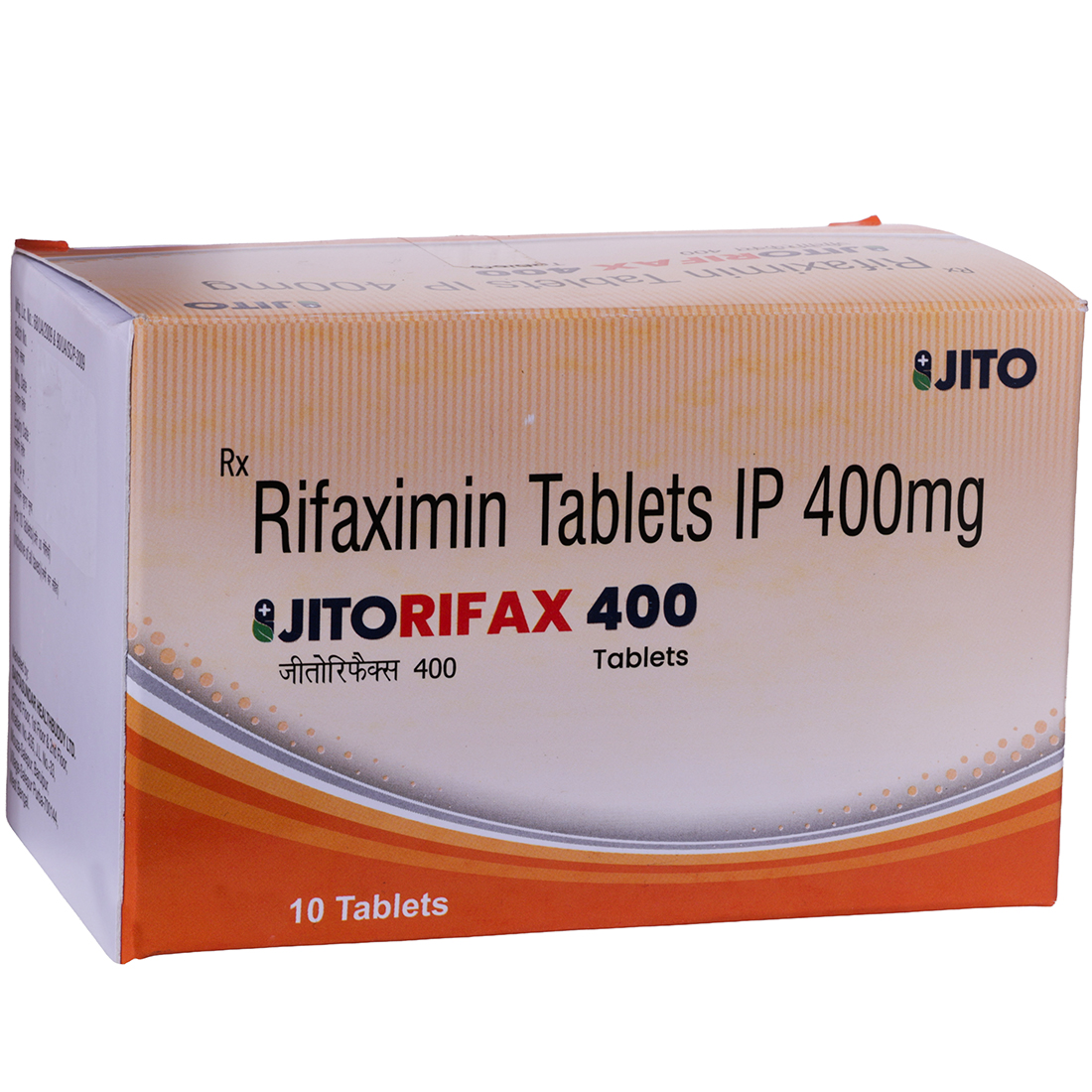
Jitorifax 400 Tablet is an antibiotic medication primarily used to treat certain bacterial infections of the intestines.
It is mainly prescribed to treat infectious diarrhea (traveler's diarrhea) and irritable bowel syndrome with diarrhea (IBS-D).
In people with liver disease, Jitorifax 400 Tablet also helps lower the risk of recurrent hepatic encephalopathy in adults by reducing the production of harmful toxins by intestinal bacteria.
Jitorifax 400 Tablet contains Rifaximin, an intestinal antibiotic that is minimally absorbed into the bloodstream and acts locally within the intestinal tract. This targeted, site-specific approach makes it effective against gut-localized bacteria while reducing the risk of systemic side effects elsewhere in the body.
Composition:
Each film coated tablet contains- Rifaximin: 400 mg and Excipients q.s.
Colour: Red Oxide of Iron
Uses & Benefits of Jitorifax 400 Tablet:
Jitorifax 400 Tablet is mainly prescribed to treat and manage specific conditions affecting the digestive tract, including:
- Traveler’s Diarrhea (TD): Cures acute diarrhea caused by non-invasive strains of Escherichia coli (E. coli) bacteria in adults and adolescents.
- Irritable Bowel Syndrome with Diarrhea (IBS-D): Helps manage and alleviate the core symptoms such as persistent bloating, abdominal cramps, and frequent loose stools.
- Hepatic Encephalopathy (HE): Reduces the recurrence risk of overt brain dysfunction in patients with chronic liver disease by lowering toxic ammonia-producing bacteria in the gut before they can affect the nervous system.
- Small Intestinal Bacterial Overgrowth (SIBO): Clear an abnormal accumulation of bacteria in the small bowel, thereby relieving symptoms like chronic gas, bloating, and abdominal discomfort.
How Does Jitorifax 400 Tablet Work:
The active ingredient in Jitorifax 400 Tablet is Rifaximin, a rifamycin-based antibacterial agent that targets infections directly inside the digestive system. It works by irreversibly binding to a specific bacterial enzyme called DNA-dependent RNA polymerase, thereby preventing bacteria from producing the essential proteins they need to grow, replicate, and survive.
Because Rifaximin is non-absorbable by the human body, it does not enter the bloodstream in significant amounts; instead, it remains highly concentrated within the gastrointestinal tract. This site-specific action allows the medication to aggressively neutralize harmful, disease-causing pathogens in the gut while minimizing disruption to the body's beneficial, healthy intestinal flora.
Dosage of Jitorifax 400 Tablet:
- Usage Direction
Take Jitorifax 400 Tablet strictly according to your doctor’s instructions, following the prescribed dose and timing. Jitorifax 400 Tablet should be swallowed whole with water without breaking, chewing, or crushing it, preferably at the same time each day. Do not stop or alter the dose of Jitorifax 400 Tablet without consulting your doctor, as this may prevent you from achieving the desired outcome. If you are unsure about the administration procedures of Jitorifax 400, consult with your doctor or pharmacist.
- Missed Dose
In case you forget to take a dose of Jitorifax 400 Tablet, take it as soon as you remember on that day. If it's nearly time for your next dose, simply skip the missed dose and proceed with your normal dosing schedule. Avoid taking two doses if you realize you've missed one. If you often frequently forget your medication, consult your doctor to reassess your dosing plan. Missing doses regularly can lead to undesired outcomes.
You can set reminders on your smartphone, keep drug organizer boxes, or use other audio-visual technologies to prevent missing a dose.
- Overdose
If you accidentally take more than the prescribed dose of Jitorifax 400 Tablet, seek immediate medical attention or contact a poison control center. Symptoms of overdose are typically limited to intensified gastrointestinal discomfort due to low absorption.
Contraindications of Jitorifax 400 Tablet:
Do not take Jitorifax 400 Tablet if you have a known hypersensitivity or allergy to Rifaximin, other rifamycin derivatives, or any of the components of this medicine. It must also be avoided in cases of complicated gastrointestinal distress, including diarrhea accompanied by a high fever or blood in the stool (dysentery), infections caused by pathogens other than Escherichia coli, and physical intestinal obstructions presenting with sudden constipation, severe abdominal pain, or vomiting. Furthermore, the use of Jitorifax 400 is age-restricted, depending on the specific medical indication. This medication is not recommended for children under 12 years for treating traveler's diarrhea, and it should be avoided in individuals under 18 years of age due to a lack of established clinical safety data.
Precautions & Warnings of Jitorifax 400 Tablet:
Before starting Jitorifax 400 Tablet, consult your healthcare provider and discuss your complete medical history. Exercise caution when using this medication if you have severe hepatic impairment (Child-Pugh Class C), since impaired liver function can affect or raise the drug's systemic exposure.
Also, the extended, frequent, or incorrect use of this antibiotic can disturb the natural balance of your intestinal flora, potentially leading to bacterial or fungal superinfections, most notably Clostridioides difficile-associated diarrhea (C. diff); you should discontinue the medication immediately and contact your physician if severe, watery, or bloody diarrhea develops.
Furthermore, patients suffering from advanced liver disease, such as cirrhosis, must be closely monitored, as they face a rare but elevated risk of developing severe, potentially life-threatening skin reactions characterized by flu-like prodromal symptoms followed by painful rashes or blistering affecting the skin, mouth, eyes, and genitals.
Side Effects of Jitorifax 400 Tablet:
Jitorifax 400 Tablet can cause side effects, though most are mild and temporary as your body adjusts. Common symptoms include nausea, headache, dizziness, flatulence, abdominal pain, temporary bloating, and excessive tiredness.
Conversely, less common but serious side effects may occur, such as peripheral edema (mild swelling in the hands, ankles, or feet), severe skin rashes, muscle spasms, or severe, persistent watery diarrhea. It is necessary to seek immediate medical attention if you observe signs of a severe allergic reaction, such as a high fever, sudden skin peeling, difficulty breathing, or swelling of the face, lips, tongue, and throat.
Safety Related Concerns of Jitorifax 400 Tablet:
- Pregnancy
Jitorifax 400 Tablet is generally not recommended during pregnancy, as limited clinical data exist regarding its use in pregnant women. It should only be used during pregnancy if the potential benefit outweighs the potential risks to the fetus.
- Breastfeeding
If you are breastfeeding or intend to breastfeed, consult with your doctor before taking Jitorifax 400 Tablet, as it is unknown whether the ingredients may pass into the breast milk and affect the breastfed child.
- Alcohol
While there is no direct biochemical reaction between Jitorifax 400 Tablet and alcohol, consuming alcohol during treatment is not recommended. It can irritate the stomach lining and worsen underlying symptoms like diarrhea, dizziness, and dehydration.
- Food Interactions
Jitorifax 400 Tablet has no major food restrictions and can be taken with or without meals. However, because this medication is used to treat gastrointestinal conditions like diarrhea and IBS-D, patients with known food allergies, severe dietary restrictions, or specific food triggers should consult their healthcare professional to align their diet with their treatment plan.
- Drug Interactions
Jitorifax 400 Tablet may interact with certain medicines, potentially affecting their effectiveness or increasing the likelihood of side effects.
Concomitant use with P-glycoprotein (P-gp) inhibitors, such as cyclosporine, can significantly increase the systemic absorption of Rifaximin, potentially raising the risk of toxicity beyond its intended localized gut action.
Furthermore, co-administration with oral anticoagulants like warfarin may alter blood clotting parameters, necessitating close monitoring of the International Normalized Ratio (INR) and prothrombin time to ensure patient safety and prevent bleeding complications.
Always inform your healthcare provider and pharmacist about all medications you are taking, including prescription drugs, over-the-counter medications, vitamins, minerals, and herbal supplements, to avoid potential interactions.
- Using Machinery & Driving
Jitorifax 400 Tablet may occasionally cause dizziness or fatigue. If you experience lightheadedness, avoid driving or operating heavy machinery until you feel fully alert.
Storage of Jitorifax 400 Tablet:
Store protected from moisture, at a temperature not exceeding 30°C. Keep the medicine out of reach of children.
Avoid using it after the expiry date, printed on the packaging. Dispose of expired or unused medication properly; do not throw it away casually.
Additional Information:
- Dehydration is a primary risk during diarrhea. Consume plenty of clean fluids, Oral Rehydration Solutions (ORS), or clear broths.
- Follow a bland diet (like the BRAT diet: Bananas, Rice, Applesauce, Toast) during acute episodes. For IBS-D, a low-FODMAP diet might help manage long-term symptoms. Avoid triggers like dairy, spicy foods, caffeine, and artificial sweeteners.
- Prevent traveler's diarrhea by drinking boiled or bottled water and avoiding raw, unpeeled fruits or vegetables when visiting high-risk areas.
- This medication is an antibiotic and will not treat viral infections like the common cold or flu.
- Avoid stopping your medication suddenly unless instructed by your physician.
- Do not share your medicine with someone else having the same symptoms as you.
Frequently Asked Questions (FAQs):
Q: What is Jitorifax 400 Tablet used for?
A: Jitorifax 400 Tablet is an oral antibiotic primarily prescribed to treat bacterial gastrointestinal infections, such as traveler's diarrhea, and to manage specific liver-related complications like hepatic encephalopathy in adults.
Q: Is Jitorifax 400 Tablet a strong antibiotic?
A: While Jitorifax 400 Tablet is a potent antibiotic against specific bacteria, its action is highly localized rather than systemic. Because it stays in the gut and is minimally absorbed into the rest of the body, it effectively targets and treats intestinal infections while causing significantly fewer widespread, whole-body side effects compared to traditional antibiotics.
Q: Can I stop taking Jitorifax when my diarrhea stops?
A: No, you should always complete the entire course of treatment exactly as prescribed by your doctor. Even if your symptoms improve or the diarrhea stops completely, stopping the medication too early can allow the remaining bacteria to survive, multiply, and potentially develop resistance to the antibiotic, causing the infection to return.
Q: Does Jitorifax 400 treat viral stomach flu?
A: No, Jitorifax 400 Tablet only targets bacterial infections. It is completely ineffective against viral conditions, such as viral gastroenteritis (stomach flu), rotavirus, norovirus, or the common cold. Using an antibiotic for a viral illness will not cure the infection and can lead to unnecessary side effects.
Q: Can Jitorifax 400 Tablet change the color of my urine?
A: Yes, it is common and completely harmless for your urine to turn a reddish or reddish-orange color while taking this medication. This temporary change occurs due to the natural processing and elimination of a tiny fraction of the drug by your body and is not a cause for concern.
Q: Can I take probiotics alongside Jitorifax 400 Tablet?
A: Probiotics can be very helpful in supporting your digestive tract, but you should consult your prescribing doctor before taking them together. Because Jitorifax 400 is a potent antibacterial agent localized in the intestines, it may destroy the live beneficial bacteria present in a probiotic supplement if taken at the exact same time, reducing the probiotic's overall effectiveness.
References:
1. XIFAXAN® (rifaximin). HIGHLIGHTS OF PRESCRIBING INFORMATION. Last Revised: December 2017. Accessed on: 1st August 2026. Click Here
2. RIFAXIMAX® 200 / 400 / 550 Tablet. Rifaximin. Package leaflet: Information for the user. Accessed on: 1st August 2026. Click Here
3. Nimixa. Rifaximin 200mg, 550mg Tablets. Accessed on: 1st August 2026. Click Here
Disclaimer: The information on this site is not intended or implied to be a substitute for professional medical advice, diagnosis or treatment. All content, including text, graphics and information, contained on or available through this website is for general information purposes only. SastaSundar.com makes no representation and assumes no responsibility for the accuracy of information contained on or available through this website and such information is subject to change without notice. You are encouraged to confirm any information obtained from or through this web site with other sources and review all information regarding any medical condition or treatment with your physician. NEVER DISREGARD PROFESSIONAL MEDICAL ADVICE OR DELAY SEEKING MEDICAL TREATMENT BECAUSE OF SOMETHING YOU HAVE READ ON OR ACCESSED THROUGH ANY WEBSITE.
SastaSundar.com does not recommend, endorse or make any representation about the efficacy, appropriateness or suitability of any specific products, procedures, treatments, opinions or other information that may be contained on or available through this website.