MEDICINE OVERVIEW OF Jitorab 20 Tablet (10 Tab)
THERAPEUTIC CLASS OF Jitorab 20 Tablet (10 Tab)
WHY Jitorab 20 Tablet (10 Tab) IS PRESCRIBED
Substitutes for - Jitorab 20 Tablet (10 Tab)
HOW IT WORKS
HOW TO TAKE
WHEN TO TAKE
Jitorab 20 Tablet (10 Tab) Warnings
Precautions of Jitorab 20 Tablet (10 Tab)
Contraindications of Jitorab 20 Tablet (10 Tab)
Side Effects of Jitorab 20 Tablet (10 Tab)
Alcohol Interaction
Food to Avoid
Pregnancy/Lactation Protocol
Storage of Jitorab 20 Tablet (10 Tab)
- Doctor's Note Required for this item
- Country of Origin: India
- Expires on: Nov 2027
- 14 days Return Policy
- Manufacturer Details
-
Seller Information:
Doctor's Note Required
MRP*:
Rs.90.00
60% OFF
Rs.36.00 (* Inclusive of all taxes)
₹ 3.60/Tablet (inclusive of all taxes)
Jitorab 20 Tablet Overview:
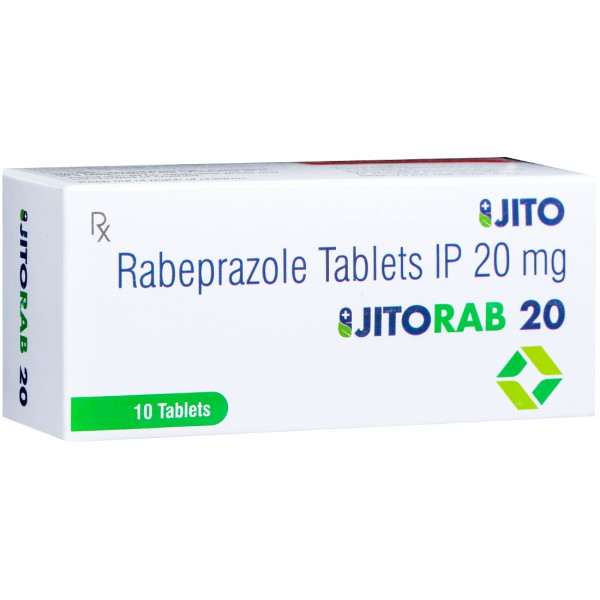
Jitorab 20 Tablet is a medicine called a proton pump inhibitor or an “acid pump inhibitor” widely used to treat gastroesophageal reflux disease (GERD), gastric or duodenal ulcers, chronic gastritis, and Zollinger-Ellison syndrome in adults.
Gastroesophageal reflux disease (GERD) occurs when stomach contents and acid flow backward into the food pipe (esophagus). This backward flow of stomach acid is known as acid reflux, which causes a painful burning sensation and heartburn. Jitorab 20 Tablet treats current symptoms and helps prevent the recurrence of reflux-related damage.
It contains Rabeprazole Sodium, which belongs to a class of drugs known as Proton Pump Inhibitors (PPIs). This works by reducing the amount of acid produced in the stomach, providing relief from symptoms associated with GERD, like heartburn and acid reflux.
Rabeprazole Sodium, when taken with other antibiotics, helps kill the Helicobacter pylori (H. pylori) responsible for causing ulcers in the stomach or intestines and symptoms of gastritis.
Composition:
Each enteric coated tablet contains- Rabeprazole Sodium: 20 mg.
Colours: Red Oxide of Iron & Titanium Dioxide.
Uses & Benefits of Jitorab 20 Tablet:
Jitorab 20 Tablet offers a range of therapeutic benefits for conditions associated with excess stomach acid production. The key benefits include:
- Gastroesophageal Reflux Disease (GERD): Provides effective treatment for chronic acid reflux and its associated symptoms, including persistent heartburn and regurgitation.
- Erosive Esophagitis: Offers short-term treatment to heal the lining of the food pipe (esophagus) in patients suffering from erosive or ulcerative GERD.
- Peptic Ulcer Disease: Facilitates the healing of sores (ulcers) in the stomach or duodenum. It reduces inflammation and helps prevent complications, such as internal bleeding or perforation.
- Zollinger-Ellison Syndrome: Manages this rare condition where the stomach produces pathological levels of acid, effectively controlling the resulting ulcers and chronic diarrhea.
- H. pylori Infection: When used as part of a combination therapy with antibiotics, it helps eliminate Helicobacter pylori bacteria. This is crucial for curing duodenal ulcers and preventing their recurrence.
How Does Jitorab 20 Tablet Work:
Jitorab 20 Tablet contains Rabeprazole, a medicine that belongs to the group of medicines called, Proton Pump Inhibitor (PPI) that works by blocking the proton pumps in the stomach lining that produce acid.
These pumps are responsible for releasing acid during the final stage of acid production. By stopping their activity, Jitorab 20 reduces the amount of acid in the stomach. Lower acid levels help protect the stomach and esophagus from irritation and allow damaged tissues, such as ulcers or inflamed lining, to heal. This action also helps relieve symptoms of acid reflux, heartburn, and stomach discomfort.
Dosage of Jitorab 20 Tablet:
- Usage Direction
Take Jitorab 20 Tablet strictly according to your doctor’s instructions, following the prescribed dose and timing. Jitorab 20 Tablet should be swallowed whole and not to be crushed, or chewed, preferably at the same time each day. Do not stop or alter the dose of Jitorab 20 Tablet without consulting your doctor, as this may prevent you from achieving the desired outcome. If you are unsure about the administration procedures of Jitorab 20, consult with your doctor or pharmacist.
- Missed Dose
If you miss a dose of Jitorab 20 Tablet, take it as soon as you remember. But, if it is almost time for your next scheduled dose, skip the one you missed and continue following your regular dosing schedule. Do not attempt to take two doses if you have forgotten one.
You can set reminders on your smartphone, keep drug organizer boxes, or use other audio-visual technologies to prevent missing a dose.
- Overdose
If you accidentally take Jitorab 20 Tablet more than your prescribed dose, seek immediate medical advice, or contact a poison control center, even if there are no visible symptoms.
Contraindications of Jitorab 20 Tablet:
Do not take Jitorab 20 Tablet if you are allergic to Rabeprazole or any of the inactive ingredients in the formulation. It should also be avoided if you are allergic to any other proton pump inhibitors include pantoprazole, esomeprazole, omeprazole, lansoprazole, etc. Some of the symptoms of allergic reactions include severe skin rashes, hives, or angioedema (swelling of the face, lips, tongue, or throat), and in severe cases, may lead to difficulty breathing or swallowing.
Precautions & Warnings of Jitorab 20 Tablet:
Before taking Jitorab 20 Tablet (Rabeprazole), inform your doctor if you have liver disease, a suspected stomach tumour, or if you are taking atazanavir for HIV. You should also mention if you have low vitamin B12 levels or risk factors for deficiency. Symptoms of vitamin B12 deficiency may include extreme tiredness, tingling sensations, a sore or red tongue, mouth ulcers, muscle weakness, vision problems, or memory and mood changes.
Tell your doctor if you have previously experienced a skin reaction after taking similar acid-reducing medicines or if you are scheduled for a Chromogranin A blood test. If a rash appears, especially on sun-exposed areas, seek medical advice immediately.
Long-term use (usually over one year) requires medical monitoring because it may increase the risk of bone fractures, low magnesium levels, vitamin B12 deficiency, kidney inflammation, or severe diarrhoea. If taken with Warfarin, Jitorab 20 may increase bleeding risk, so regular blood tests are necessary. Report symptoms such as severe stomach pain, blood in stool or urine, vomiting, fever, muscle cramps, or persistent diarrhoea to your doctor promptly.
Side Effects of Jitorab 20 Tablet:
Jitorab 20 Tablet is generally well tolerated, some individuals may experience side effects. Most of which do not require medical attention and typically go away as your body adapts to the medication. Common side effects may include headache, dizziness, diarrhoea, constipation, nausea, vomiting, stomach pain, flatulence, dry mouth, sore throat, cough, runny or itchy nose, muscle pain or weakness, difficulty sleeping, and skin rash. In some men, breast enlargement may also occur.
Contact your doctor if you notice unusual bruising or bleeding, frequent infections with fever or sore throat, yellowing of the skin, major mood or weight changes, or blurred or double vision.
Seek immediate medical help if you experience signs of an allergic reaction such as severe skin rash, swelling of the face or lips, or difficulty breathing. Also inform your doctor if you develop severe stomach pain, vomit blood, or pass black or blood-stained stools.
Safety Related Concerns of Jitorab 20 Tablet:
- Pregnancy
If you are pregnant or planning to become pregnant, talk to your doctor, as Jitorab 20 Tablet is generally not recommended unless clearly needed. Because studies on animal reproduction have shown fetal harm.
- Breastfeeding
It is better to avoid the use of the Jitorab 20 Tablet while breastfeeding, since it is unknown whether the active ingredients of this medicine could pass into the breast milk and affect the breastfed child. Therefore, consulting with your doctor before taking Jitorab 20 Tablet is crucial.
- Alcohol
While alcohol does not have a direct interaction with Jitorab 20, it is highly recommended to avoid it during treatment. Alcohol consumption stimulates the production of stomach acid, which can irritate the gastric lining, worsen acid reflux symptoms, and counteract the benefits of the medication. Additionally, alcohol may intensify side effects such as dizziness and abdominal discomfort.
- Food Interactions
Jitorab 20 Tablet is usually suggested to be taken with or without food depending on your doctor's instructions. However, certain foods and dietary habits can interact with the medicine's effectiveness. Highly acidic foods and beverages, spicy foods, caffeine, and carbonated drinks may aggravate GERD symptoms and should be consumed in moderation. The tablet should always be swallowed with plain water and not taken with acidic drinks such as juices or sodas, which could potentially disrupt the enteric coating and reduce drug absorption.
- Drug Interactions
Jitorab 20 Tablet (Rabeprazole) may interact with several medicines and affect their effectiveness or increase the risk of side effects. Inform your doctor if you are taking medicines such as atazanavir or rilpivirine for HIV, ketoconazole or other antifungal medicines, antibiotics like clarithromycin, or iron supplements, as Rabeprazole may reduce their absorption by lowering stomach acidity.
Caution is also required when using Jitorab 20 with warfarin or clopidogrel, as it may increase INR and prolong bleeding time. Other medicines that may interact include methotrexate, digoxin, cyclosporine, dasatinib, and certain drugs that affect liver enzymes (such as carbamazepine), which can alter the metabolism of Rabeprazole.
Always inform your doctor or pharmacist about all medicines you are taking, including prescription drugs, over-the-counter medicines, vitamins, and herbal supplements, to help prevent possible drug interactions.
- Using Machinery & Driving
Jitorab 20 Tablet is generally considered safe to use before driving or operating heavy machinery, as it does not cause sedation or significant cognitive impairment. However, some patients may rarely experience dizziness or visual disturbances as a side effect. If you notice any such effects after taking the tablet, it is advisable to refrain from driving or performing tasks requiring high concentration until the symptoms resolve. Always follow your doctor's guidance in this regard.
Storage of Jitorab 20 Tablet:
Store protect from light and moisture, at a temperature not exceeding 30°C. Keep out of reach of children.
Avoid using it after the expiry date, printed on the packaging. Dispose of expired or unused medication properly; do not throw it away casually.
Other Notes:
- To enhance the effectiveness of Jitorab 20 Tablet, it is highly beneficial to adopt lifestyle and dietary modifications that support digestive health. Consuming a simple, balanced, and easy-to-digest diet helps reduce the workload on your stomach and minimizes acid production.
- Rather than three large meals, aim for smaller, more frequent portions throughout the day, ensuring you chew your food slowly and thoroughly to aid digestion.
- To prevent the backward flow of acid, avoid lying down or reclining for at least two to three hours after eating.
- Maintaining a healthy weight and managing stress can significantly reduce the pressure on your gastrointestinal system, leading to better long-term management of your condition and faster healing of the esophageal lining.
- Do not share your medicine with someone else having the same symptoms as you, as the drug requires a prescription.
Frequently Asked Questions (FAQs)-
Q. What is the primary use of Jitorab 20 Tablet?
A: Jitorab 20 Tablet is primarily indicated for the treatment of Gastroesophageal Reflux Disease (GERD), persistent heartburn, and peptic ulcers. By effectively reducing the secretion of stomach acid, it allows irritated esophageal and gastric tissues to heal and prevents the recurrence of symptoms. It is also used in combination with antibiotics to eradicate H. pylori infections and to manage rare conditions of excessive acid production, such as Zollinger-Ellison syndrome.
Q. Can I take Jitorab 20 Tablet on an empty stomach?
A: Yes, Jitorab 20 Tablet can be taken on an empty stomach for maximum effectiveness. It ensures the medication is fully absorbed and ready to block acid production when your stomach begins to digest food. However, it is best to ask your doctor about the prescribed dosage and timing.
Q. How quickly does Jitorab 20 Tablet work?
A: You may begin to feel relief from acidity and heartburn within 1 to 2 hours of taking the tablet; however, it may take a few days of consistent use to reach its full therapeutic effect. The effectiveness of Jitorab 20 Tablet depends on several factors, including the severity of the condition (such as the degree of ulceration or GERD) and the specific formulation of the drug. Your physician will determine the appropriate dosage and duration to ensure maximum effectiveness based on your clinical profile.
Q. Is Jitorab 20 Tablet an antacid?
A: No, Jitorab 20 Tablet is not an antacid. It contains pantoprazole, which belongs to a class of medications called proton pump inhibitors (PPIs). Jitorab 20 works by stopping the production of acid in the stomach lining, resulting in long lasting relief from conditions like GERD, acid reflux, peptic ulcers, heartburn and indigestion. On the other hand, antacids are made from compounds like calcium carbonate, aluminum hydroxide, magnesium hydroxide and sodium bicarbonate. These ingredients neutralize the existing stomach acid, providing quick but short term relief from symptoms like heartburn, duodenal, and gastric ulcers, etc.
Q. Can I take Jitorab 20 for long-term treatment?
A: Jitorab 20 Tablet should only be taken for the specific duration prescribed by your healthcare provider. If long-term therapy is required, it must be conducted under strict medical supervision. This often includes periodic blood tests to monitor levels of essential vitamins and minerals—such as Vitamin B12 and Magnesium—to identify and avoid potential complications associated with prolonged acid suppression.
Q. Can I stop taking the medicine once I feel better?
A: No, you should complete the full course prescribed by your doctor. It is essential to complete the full course as prescribed by your doctor, even if your symptoms improve quickly. Finishing the treatment ensures that the underlying condition—such as a gastric ulcer or esophageal inflammation—is fully healed and significantly reduces the risk of symptoms returning or complications developing.
Q. What are the common side effects of Jitorab 20 Tablet?
A: Jitorab 20 Tablet is generally considered safe; some users may experience mild side effects as their body adjusts to the medication. Common symptoms include headache, dizziness, nausea, flatulence (gas), diarrhea, or constipation. However, if these side effects persist, consult your doctor as soon as possible.
Reference:
1. Package leaflet: Information for the patient. Rabeprazole sodium 10 mg gastro-resistant tablets / Rabeprazole sodium 20 mg gastro-resistant tablets. Last Revised: March, 2017. Accessed on: 12th March.2026. Click Here
2. PATIENT INFORMATION. ACIPHEX® (a-se-feks) (rabeprazole sodium) Delayed-Release Tablets. Accessed on: 12th March.2026. Click Here
3. Rabeprazole AN tablets. Rabeprazole sodium. Consumer Medicine Information. Last Revised: January 2014. Accessed on: 12th March.2026. Click Here
4. ACIPHEX® (rabeprazole sodium) Delayed-Release Tablets, for oral use. ACIPHEX® SprinkleTM (rabeprazole sodium) Delayed-Release Capsules, for oral Use. Last Revised: December 2014. Accessed on: 12th March.2026. Click Here
Disclaimer: The information on this site is not intended or implied to be a substitute for professional medical advice, diagnosis or treatment. All content, including text, graphics and information, contained on or available through this website is for general information purposes only. SastaSundar.com makes no representation and assumes no responsibility for the accuracy of information contained on or available through this website and such information is subject to change without notice. You are encouraged to confirm any information obtained from or through this web site with other sources and review all information regarding any medical condition or treatment with your physician. NEVER DISREGARD PROFESSIONAL MEDICAL ADVICE OR DELAY SEEKING MEDICAL TREATMENT BECAUSE OF SOMETHING YOU HAVE READ ON OR ACCESSED THROUGH ANY WEBSITE.
SastaSundar.com does not recommend, endorse or make any representation about the efficacy, appropriateness or suitability of any specific products, procedures, treatments, opinions or other information that may be contained on or available through this website.