MEDICINE OVERVIEW OF Jitoglim 2 Tablet (10 Tab)
THERAPEUTIC CLASS OF Jitoglim 2 Tablet (10 Tab)
WHY Jitoglim 2 Tablet (10 Tab) IS PRESCRIBED
Substitutes for - Jitoglim 2 Tablet (10 Tab)
HOW IT WORKS
HOW TO TAKE
WHEN TO TAKE
Jitoglim 2 Tablet (10 Tab) Warnings
Precautions of Jitoglim 2 Tablet (10 Tab)
Contraindications of Jitoglim 2 Tablet (10 Tab)
Side Effects of Jitoglim 2 Tablet (10 Tab)
Alcohol Interaction
Food to Avoid
Pregnancy/Lactation Protocol
Storage of Jitoglim 2 Tablet (10 Tab)
- Doctor's Note Required for this item
- Country of Origin: India
- Expires on: Feb 2028
- 14 days Return Policy
- Manufacturer Details
-
Seller Information:
Doctor's Note Required
MRP*:
Rs.58.00
60% OFF
Rs.23.20 (* Inclusive of all taxes)
₹ 2.32/Tablet (inclusive of all taxes)
Jitoglim 2 Tablet Overview:
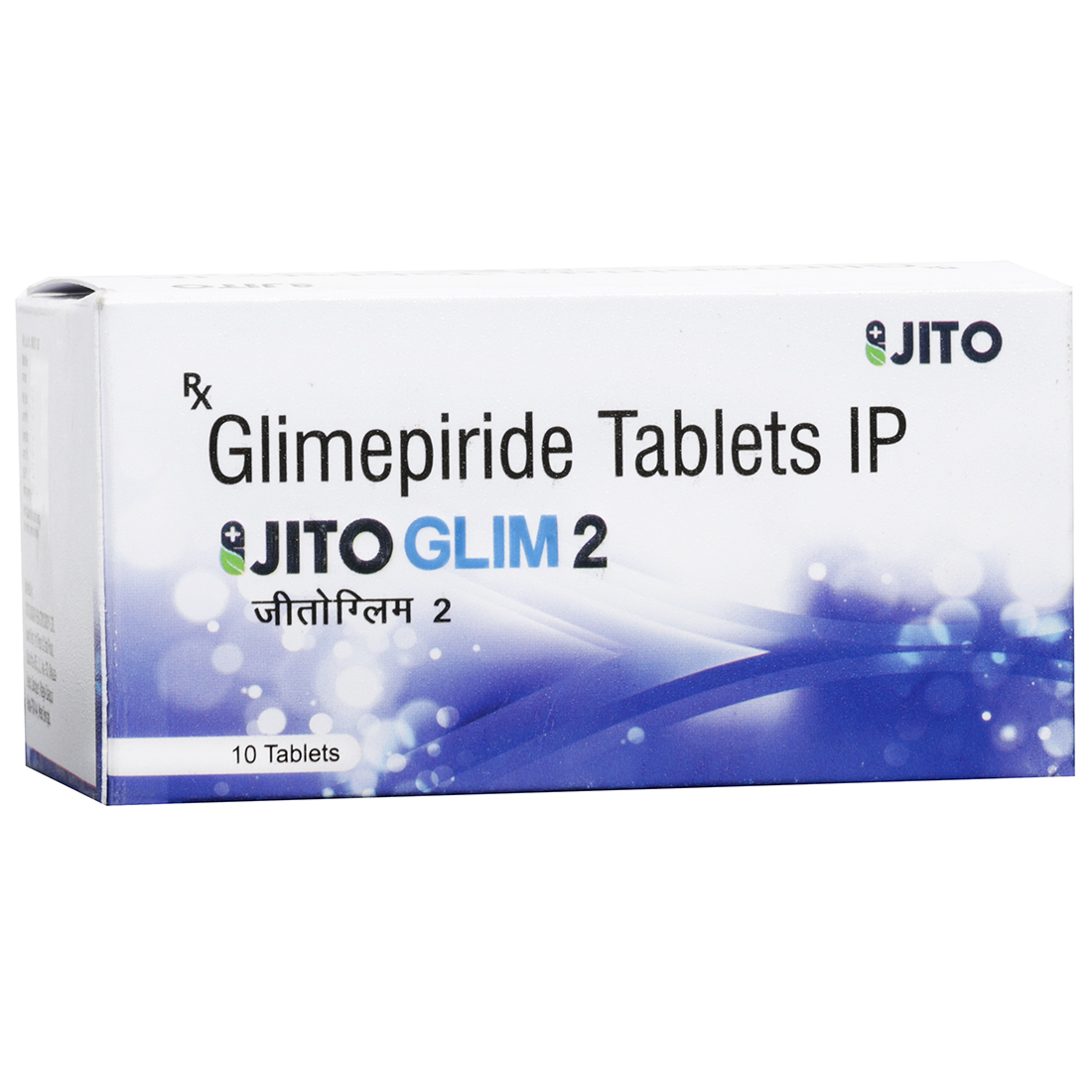
Jitoglim 2 Tablet is an oral anti-diabetic medication primarily used to manage high blood sugar levels in adults with Type 2 Diabetes Mellitus.
It contains Glimepiride, which is a hypoglycaemic agent. It is prescribed when lifestyle changes (such as diet and exercise) alone are insufficient to control glucose levels.
Type 2 diabetes occurs when the pancreas does not produce enough insulin, or the body cannot effectively use the insulin that the body produces. This leads to abnormally high levels of sugar in the blood, which can cause long-term health complications if left unmanaged.
Jitoglim 2 helps your pancreas release more insulin, thereby effectively reducing the elevated blood sugar.
However, it is important to note that Jitoglim 2 Tablet is not for the treatment of Type 1 Diabetes or diabetic ketoacidosis.
Composition:
Each uncoated tablet contains- Glimepiride: 2 mg and Excipients q.s.
Uses & Benefits of Jitoglim 2 Tablet:
Jitoglim 2 Tablet is mainly used for the treatment of Type 2 diabetes mellitus or non-insulin-dependent diabetes mellitus (NIDDM).
How Does Jitoglim 2 Tablet Works:
Jitoglim 2 Tablet contains Glimepiride as its active ingredient, which lowers blood glucose levels through a dual mechanism of action.
First, it acts directly on the pancreas by stimulating the beta cells to release more insulin into the bloodstream. Second, it helps improve the body’s sensitivity to insulin, allowing peripheral tissues, such as muscles and fat, to take up and utilize glucose from the blood more effectively.
These combined actions ensure that blood sugar levels stay within a healthy range throughout the day.
Dosage of Jitoglim 2 Tablet:
- Usage Direction
Take Jitoglim 2 Tablet strictly according to your doctor’s advice, following the prescribed dose and timing. Jitoglim 2 Tablet should be swallowed whole with water without crushing, chewing, or breaking it, preferably at the same time each day. Do not stop or alter the dose of Jitoglim 2 Tablet without consulting your doctor, as this may prevent you from achieving the desired outcome. If you are unsure about the administration procedures of Jitoglim 2, consult with your doctor or pharmacist.
- Missed Dose
If you miss a dose of Jitoglim 2 Tablet, take it as soon as you remember on the same day. But, if it is almost time for your next scheduled dose, skip the one you missed and continue following your regular dosing schedule. Do not attempt to take two doses if you have forgotten one. If you often forget to take your medication, consult with your doctor to re-evaluate your dosing schedule. Frequently missing doses could lead to undesired outcomes.
You can set reminders on your smartphone, keep drug organizer boxes, or use other audio-visual technologies to prevent missing a dose.
- Overdose
If you accidentally take more than the prescribed dose of Jitoglim 2 Tablet, seek immediate medical attention or go to an emergency room. An overdose can lead to severe hypoglycemia (low blood sugar), which is a medical emergency. Symptoms may include extreme shakiness, cold sweats, palpitations, dizziness, and confusion.
If you are conscious and experiencing these symptoms, consume a quick source of sugar—such as a sugary drink, fruit juice, or glucose tablets—immediately to stabilize your levels while waiting for professional medical assistance.
Contraindications of Jitoglim 2 Tablet:
Do not take Jitoglim 2 Tablet if you are hypersensitive or allergic to Glimepiride, other sulfonylureas, sulfonamides, or any of its ingredients.
Furthermore, this medication is strictly prohibited for patients with certain medical conditions, including Type 1 Diabetes (insulin-dependent diabetes), diabetic ketoacidosis, and diabetic coma.
It is also contraindicated for individuals with severe kidney or liver impairment. Additionally, this medication is not suitable for children, as its safety and effectiveness have not been established for pediatric use.
Precautions & Warnings of Jitoglim 2 Tablet:
Before starting Jitoglim 2 Tablet, it is vital to provide your healthcare provider with a complete medical history, specifically regarding any pre-existing heart, liver, or kidney conditions.
Patients should be aware that the use of sulfonylureas, including Glimepiride, has been associated with a potential increase in cardiovascular mortality compared to treatment with diet alone or diet plus insulin.
Additionally, because this medication significantly lowers blood sugar, you must monitor for hypoglycemia (low blood sugar) symptoms such as shakiness or dizziness and always carry a quick-acting source of sugar, like glucose tablets or candy.
Special caution is required for individuals with G6PD deficiency, as the medication may trigger hemolytic anemia (the breakdown of red blood cells).
Furthermore, during periods of physical stress—such as fever, trauma, or surgery—your blood sugar control may fluctuate significantly. In such cases, consult your doctor immediately, as temporary medication adjustments or a switch to insulin may be necessary.
Side Effects of Jitoglim 2 Tablet:
While taking Jitoglim 2 Tablet, you may experience certain side effects. Most of these are mild and temporary, typically occurring as your body adjusts to the medication. Common symptoms include hypoglycemia (low blood sugar), headache, nausea, and dizziness.
Some patients also report digestive changes such as diarrhea or constipation, as well as temporary visual disturbances, which often occur during the initial stages of treatment as blood glucose levels stabilize.
In rare instances, serious side effects may occur that require immediate medical intervention. These include severe allergic skin reactions, signs of liver dysfunction such as jaundice (yellowing of the skin or eyes), and blood-related issues like hemolytic anemia. Additionally, while less urgent, significant weight gain should be monitored and discussed with your healthcare provider to ensure your overall diabetes management plan remains effective.
Safety Related Concerns of Jitoglim 2 Tablet:
- Pregnancy
Jitoglim 2 Tablet is generally not recommended for use during pregnancy unless specifically directed by a healthcare professional. Your doctor will likely switch you to a safer alternative, such as insulin, for managing diabetes during pregnancy.
Careful and regular blood glucose monitoring is essential during this time to reduce the risk of pregnancy-related complications. Always follow your doctor’s guidance strictly, and never start, stop, or change your dosage of diabetes medication without a direct medical consultation.
- Breastfeeding
It is better to avoid the use of the Jitoglim 2 Tablet while breastfeeding, since its active ingredient Glimepiride could pass into the breast milk and affect the breastfed child. Therefore, consulting with your doctor before taking Jitoglim 2 Tablet is crucial.
- Alcohol
Avoid alcohol consumption while taking Jitoglim 2 Tablet, as it can cause unpredictable fluctuations in blood sugar and increase the risk of side effects.
- Food Interactions
The interaction between specific food items and the Jitoglim 2 Tablet is not listed. To minimize gastrointestinal side effects, it can be taken with food., as prescribed by your healthcare professional. Skipping meals while on this medication significantly increases the risk of hypoglycemia.
Maintaining a consistent diabetic diet is essential to regulate blood glucose levels, which can be achieved by avoiding sugary items, high-fat foods, and limiting carbohydrates, as these are primarily responsible for glucose spikes.
- Drug Interactions
Jitoglim 2 Tablet can interact with a wide range of medications, which may either change its effectiveness or increase the risk of toxicity. Inform your healthcare provider if you are taking other anti-diabetic medications like insulin, as this significantly increases the risk of hypoglycemia and may require dose adjustments.
Certain medications can intensify the blood-sugar-lowering effect of Jitoglim 2, potentially leading to dangerous sugar crashes. These include painkillers (Aspirin), ACE inhibitors (for blood pressure), H2 receptor antagonists (for stomach acid), and certain antidepressants (MAO inhibitors).
Special caution is required with Beta-blockers, which can not only affect glucose levels but also mask the warning signs of low blood sugar, such as a rapid heartbeat.
Conversely, some drugs can reduce the effectiveness of Jitoglim 2, leading to elevated blood sugar levels. Common examples include corticosteroids, diuretics (water pills), thyroid hormones, estrogens, and oral contraceptives. Other medications, such as certain antipsychotics, laxatives, and asthma treatments (sympathomimetics like albuterol), may also interfere with glucose control. Because these interactions can be complex and unpredictable, close monitoring of your blood glucose levels is essential whenever you start or stop any other medication.
Always inform your healthcare provider and pharmacist about all medications you are taking, including prescription drugs, over-the-counter medications, vitamins, minerals, and herbal supplements, to avoid potential interactions.
- Using Machinery & Driving
Using Jitoglim 2 Tablet may affect your ability to drive or operate machinery, it can cause low blood sugar (hypoglycemia), which may lead to symptoms like blurred vision, dizziness, shaking, or sweating. If you feel unwell or dizzy, then use caution or avoid such activities.
Storage of Jitoglim 2 Tablet:
Store at a temperature not exceeding 30°C. Protect from light and moisture. Keep all medicines out of the reach of children.
Avoid using it after the expiry date, printed on the packaging. Dispose of expired or unused medication properly; do not throw it away casually.
Additional Information:
- Follow a fiber-rich diabetic diet under medical supervision. Increase intake of whole grains and leafy greens to slow sugar absorption.
- Aim for at least 30 minutes of moderate activity daily under supervision to improve insulin sensitivity.
- Regularly monitor your blood glucose levels to track the effectiveness of the treatment.
- Diabetes may often lead to diabetic skin lesions, so appropriate skin and feet care is necessary. Check your feet daily for sores or infections.
- Always carry a quick source of glucose, such as fruit juice or sugar tablets, and monitor your blood sugar regularly during treatment.
- Do not suddenly stop your medication unless your doctor specifically tells you to.
- Do not share your medicine with someone else having the same symptoms as you.
Related Blood Glucose Monitors:
To manage diabetes at home, discover our simple, reliable home-use Blood Glucose Monitoring systems with Test Strips. Check Out
Frequently Asked Questions (FAQs):
Q. Why is Jitoglim 2 Tablet prescribed?
A. Jitoglim 2 Tablet is primarily prescribed to manage and lower high blood sugar levels (hyperglycemia) in adults with Type 2 Diabetes Mellitus. It is typically used when lifestyle modifications—such as a healthy diet and regular exercise—or other single-agent medications have proven insufficient to maintain blood glucose within a target, healthy range. By helping the body regulate sugar more effectively, it reduces the risk of long-term diabetic complications.
Q. Can I stop taking Jitoglim 2 if my blood sugar levels are normal?
A. No, you should not stop taking the medication just because your sugar levels have reached a normal range. "Normal" readings are often a sign that the medication is working effectively to manage the condition. Diabetes is a chronic, long-term condition, and abruptly stopping Jitoglim 2 without consulting your doctor can lead to a dangerous spike in blood sugar (rebound hyperglycemia). If you believe your levels are consistently stable, discuss a potential dosage adjustment with your healthcare provider rather than discontinuing the treatment on your own.
Q. Can I take this medicine if I am fasting?
A. Fasting while taking Jitoglim 2 Tablet is generally not recommended and requires close medical supervision. Because Glimepiride stimulates insulin release regardless of whether you have eaten, fasting significantly increases the risk of severe, life-threatening hypoglycemia. If you plan to fast for religious or medical reasons, consult your doctor first to adjust your dosage or timing.
Q. Does Jitoglim 2 Tablet cause weight gain?
A. Some patients may experience mild weight gain while taking this medication. This occurs because the increased insulin levels triggered by the drug help the body store glucose more efficiently. However, this effect is often manageable. Maintaining a healthy, calorie-conscious diet and engaging in regular physical activity can help counteract this potential side effect. If you notice a significant or sudden increase in weight, it is best to discuss it with your healthcare provider or a dietitian to adjust your nutritional plan.
Q. What should I do if I experience symptoms of low blood sugar?
A. If you begin to feel shaky, sweaty, or unusually dizzy, it is important to act promptly but calmly to stabilize your levels. You can consume a small amount of fruit juice, a glucose tablet, or a few hard candies to quickly provide your body with the sugar it needs. After doing so, wait for about 15 minutes and then check your blood sugar again to ensure it is returning to a safe range.
Once your levels are stable, it is helpful to discuss these episodes with your healthcare provider or dietitian. They can assist you in identifying the cause—such as a delayed meal or increased activity—and help you adjust your management plan to prevent similar episodes in the future.
References:
1. AMARYL® (glimepiride tablets) 1, 2, and 4 mg. Labeling Information. Last Revised: May 2009. Accessed On: 9th June 2026. Click Here
2. Package leaflet: Information for the user. Glimepiride 1 mg/ 2 mg/ 3 mg Tablets. Last Revised: August 2023. Accessed On: 9th June 2026. Click Here
3. Package leaflet: Information for the user. Glimepiride 1 mg/2 mg/3 mg/4 mg Tablets. Last Revised: December 2020. Accessed On: 9th June 2026. Click Here
Disclaimer: The information on this site is not intended or implied to be a substitute for professional medical advice, diagnosis or treatment. All content, including text, graphics and information, contained on or available through this website is for general information purposes only. SastaSundar.com makes no representation and assumes no responsibility for the accuracy of information contained on or available through this website and such information is subject to change without notice. You are encouraged to confirm any information obtained from or through this web site with other sources and review all information regarding any medical condition or treatment with your physician. NEVER DISREGARD PROFESSIONAL MEDICAL ADVICE OR DELAY SEEKING MEDICAL TREATMENT BECAUSE OF SOMETHING YOU HAVE READ ON OR ACCESSED THROUGH ANY WEBSITE.
SastaSundar.com does not recommend, endorse or make any representation about the efficacy, appropriateness or suitability of any specific products, procedures, treatments, opinions or other information that may be contained on or available through this website.