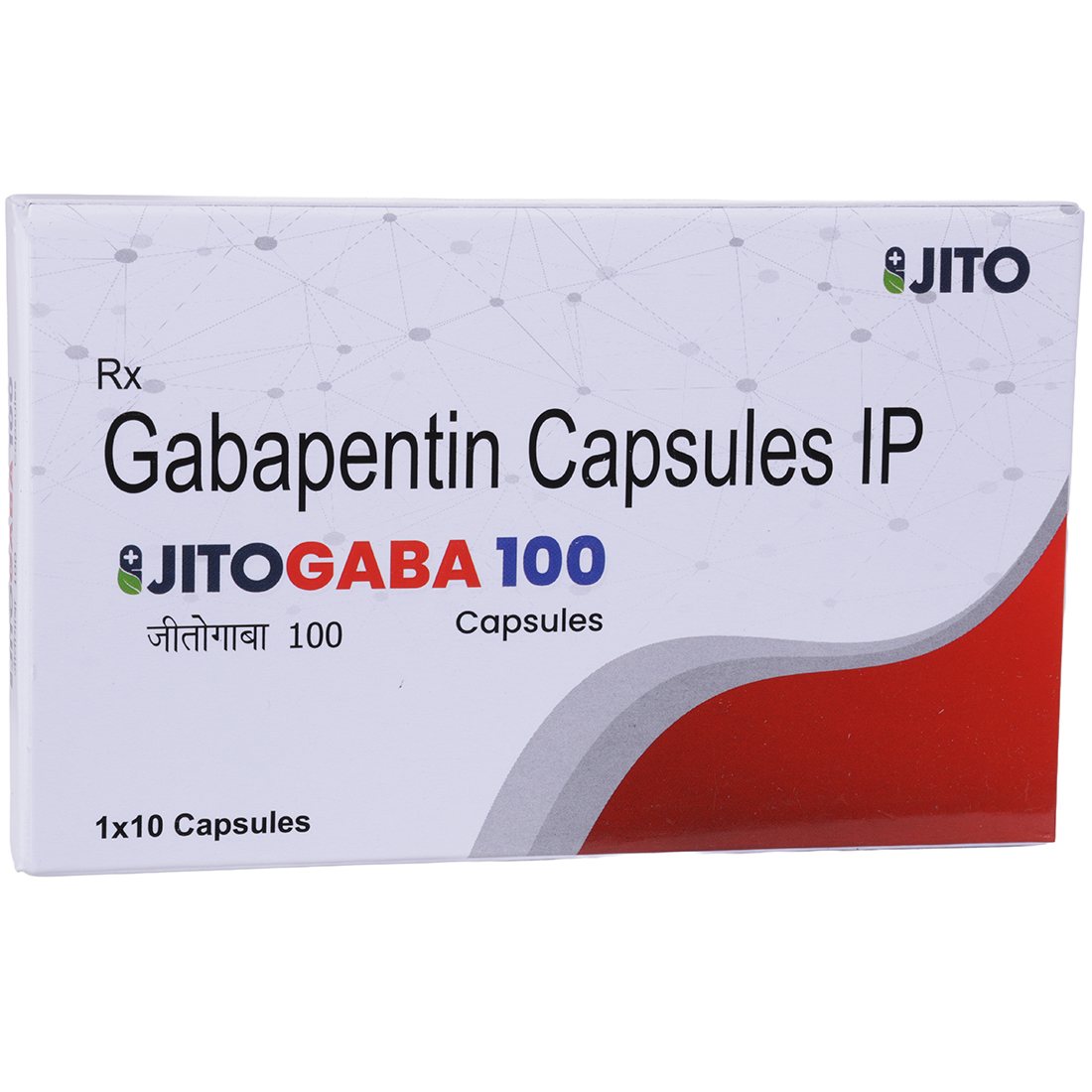
MEDICINE OVERVIEW OF Jitogaba 100 Capsule (10 Cap)
THERAPEUTIC CLASS OF Jitogaba 100 Capsule (10 Cap)
WHY Jitogaba 100 Capsule (10 Cap) IS PRESCRIBED
Substitutes for - Jitogaba 100 Capsule (10 Cap)
HOW IT WORKS
HOW TO TAKE
WHEN TO TAKE
Jitogaba 100 Capsule (10 Cap) Warnings
Precautions of Jitogaba 100 Capsule (10 Cap)
Contraindications of Jitogaba 100 Capsule (10 Cap)
Side Effects of Jitogaba 100 Capsule (10 Cap)
Alcohol Interaction
Food to Avoid
Pregnancy/Lactation Protocol
Storage of Jitogaba 100 Capsule (10 Cap)
- Doctor's Note Required for this item
- Country of Origin: India
- Expires on: Apr 2028
- 14 days Return Policy
- Manufacturer Details
-
Seller Information:
Doctor's Note Required
MRP*:
Rs.71.00
60% OFF
Rs.28.40 (* Inclusive of all taxes)
₹ 2.84/Capsule (inclusive of all taxes)
Jitogaba 100 Capsule Overview:
Jitogaba 100 Capsule is an antiepileptic (anticonvulsant) medication primarily used to treat chronic neuropathic pain (nerve pain) and to control specific types of seizures called epilepsy.
It contains Gabapentin, which works by stabilizing abnormal electrical activity in the brain and calming overexcited nerves, reducing the transmission of pain signals throughout the body.
This long-term nerve pain is typically caused by nerve damage resulting from conditions such as diabetes (diabetic neuropathy) or shingles (postherpetic neuralgia). This condition causes various sensations, including hot, burning, throbbing, shooting, stabbing, sharp, cramping, aching, tingling, numbness, or a "pins and needles" feeling.
Additionally, Jitogaba 100 Capsule is often used as an adjunctive therapy alongside other medications to help control and prevent partial-onset seizures in patients with epilepsy.
Composition:
Each hard gelatin capsule contains- Gabapentin: 100 mg and Excipients q.s.
Approved colours used in the capsule shell.
Uses & Benefits of Jitogaba 100 Capsule:
Jitogaba 100 Capsule is prescribed for the treatment and management of the following conditions:
- Neuropathic Pain: It effectively relieves long-lasting peripheral nerve pain caused by damage to the nerves. It is most commonly used to treat Postherpetic Neuralgia (PHN), nerve pain that persists after a shingles infection, as well as Diabetic Neuropathy, which is chronic nerve damage caused by poorly controlled diabetes.
- Epilepsy (Seizures): It manages and controls partial-onset seizures, and it is prescribed alongside other anticonvulsant medications for both adults and children.
How Does Jitogaba 100 Capsule Work:
The active ingredient in Jitogaba 100 Capsule is Gabapentin, a structural analogue of the inhibitory neurotransmitter gamma-aminobutyric acid (GABA). It works by binding to specific calcium channels (alpha2 delta subunits) on the nerve cells in the brain and spinal cord.
By modulating these channels, Gabapentin stabilizes abnormal electrical activity, reduces the release of excitatory chemical neurotransmitters, and calms overactive neural pathways.
This dual mechanism of action decreases abnormal hypersensitivity in the central nervous system to prevent seizures, while simultaneously altering and reducing the intensity of nerve pain signals transmitted to the brain.
Dosage of Jitogaba 100 Capsule:
- Usage Direction
Take Jitogaba 100 Capsule strictly according to your doctor’s instructions, following the prescribed dose and timing. Jitogaba 100 Capsule should be swallowed whole with water without breaking, chewing, or crushing it, preferably at the same time each day. Do not stop or alter the dose of Jitogaba 100 Capsule without consulting your doctor, as this may prevent you from achieving the desired outcome. If you are unsure about the administration procedures of Jitogaba 100, consult with your doctor or pharmacist.
- Missed Dose
In case you forget to take a dose of Jitogaba 100 Capsule, take it as soon as you remember on that day. If it's nearly time for your next dose, simply skip the missed dose and proceed with your normal dosing schedule. Avoid taking two doses if you realize you've missed one. If you often frequently forget your medication, consult your doctor to reassess your dosing plan. Missing doses regularly can lead to undesired outcomes.
You can set reminders on your smartphone, keep drug organizer boxes, or use other audio-visual technologies to prevent missing a dose.
- Overdose
If you accidentally take more than the prescribed dose of Jitogaba, seek immediate medical attention or contact a poison control center. An overdose of Gabapentin can cause symptoms like double vision, slurred speech, extreme drowsiness, sluggishness, and diarrhea.
Contraindications of Jitogaba 100 Capsule:
Do not take Jitogaba 100 Capsule if you have a known hypersensitivity or allergy to Gabapentin or any of the components of this medicine.
Furthermore, it is not recommended for pediatric use in children below 6 years of age for the treatment of epilepsy, as its safety and efficacy have not been established in this age group.
Precautions & Warnings of Jitogaba 100 Capsule:
Before starting treatment, inform your doctor if you have kidney problems or undergo haemodialysis, as this may require a dosage adjustment because the drug is cleared through the kidneys.
Inform your doctor if you develop muscle pain or weakness, persistent stomach pain, feeling sick and being sick, as these might be the symptoms of myasthenia gravis and pancreatitis, respectively.
Using Jitogaba 100 Capsule might lead to a higher risk of suicidal thoughts or actions. Family members and patients should monitor for sudden changes in mood, worsening depression, or unusual anxiety.
Serious, potentially life-threatening breathing difficulties can occur, especially in elderly patients older than 65 years, those with existing lung conditions (like COPD), or when mixed with opioids.
Lastly, stopping the medication suddenly can cause withdrawal symptoms (anxiety, insomnia, nausea, sweating) or precipitate a sudden increase in seizure frequency. The reduction of dosage should be done gradually over a minimum of one week, and it must be under medical supervision.
Side Effects of Jitogaba 100 Capsule:
While taking Jitogaba 100, you may experience some side effects most of which are mild and resolve over time. Very common symptoms may include dizziness, somnolence (excessive sleepiness), fatigue, viral infection, fever, and unsteadiness (ataxia).
Other side effects include double or blurred vision, dry mouth, nausea, vomiting, peripheral edema (swelling in the hands, feet, or ankles), tremors, weight gain, and coordination problems.
There are specific serious side effects that need urgent medical attention. Inform your doctor right away if you experience difficulty breathing, severe skin rash, swelling of the face, lips, or tongue (signs of an allergic reaction/anaphylaxis), or extreme mood swings.
Safety Related Concerns of Jitogaba 100 Capsule:
- Pregnancy
Jitogaba 100 Capsule is generally not recommended during pregnancy, as the safety of Gabapentin in pregnant women has not been fully established. It should only be prescribed if the potential therapeutic benefits to the mother clearly outweigh the potential risks to the developing fetus. If you are pregnant, planning to become pregnant, or you may be pregnant, it is essential to contact your healthcare provider right away to discuss safer therapeutic alternatives.
- Breastfeeding
It is better to avoid Jitogaba 100 Capsule while breastfeeding, since Gabapentin passes into the breast milk and may affect the breastfed child. Therefore, consulting with your doctor before taking Jitogaba 100 Capsule is crucial.
- Alcohol
Avoid alcohol consumption while taking Jitogaba 100 Capsule. Combining alcohol with this medication can severely worsen central nervous system side effects such as extreme drowsiness, severe dizziness, impaired motor coordination, and potentially life-threatening respiratory depression (breathing difficulties).
- Food Interactions
There are no significant or clinically restricted food interactions associated with Jitogaba 100 Capsule, and it can be safely taken either with or without food. However, it is important to maintain consistent dietary habits, as erratic eating patterns can indirectly affect overall physiological stability and your body's response to chronic conditions like nerve pain or epilepsy.
- Drug Interactions
Jitogaba 100 Capsule can interact with various medications, which may alter their therapeutic effectiveness or significantly increase the risk of severe side effects. It is essential to inform your doctor if you are taking opioids, such as morphine, as concurrent use can severely increase Gabapentin levels, elevating the risk of profound sedation and respiratory depression.
Furthermore, antacids containing aluminum or magnesium can reduce the gastrointestinal absorption of Gabapentin.
Always inform your healthcare provider of all current prescriptions, over-the-counter medications, and supplements to avoid potential interactions.
- Using Machinery & Driving
Jitogaba 100 Capsule frequently causes dizziness, drowsiness, and tiredness. Avoid driving, operating complex machinery, or doing hazardous tasks until you know exactly how this medicine affects your alertness.
Storage of Jitogaba 100 Capsule:
Store protected from moisture, at a temperature not exceeding 30°C. Keep out of reach of children.
Avoid using it once the expiry date on the packaging has been reached. Properly dispose of any expired or unused medications; do not discard them casually.
Additional Information:
- For nerve conditions like diabetic neuropathy, lifestyle changes are essential. By strictly managing blood sugar, you can help protect your nerves from additional injury.
- Gentle physical activity, regular foot care, and avoiding tobacco can also improve blood circulation and reduce symptoms.
- Incorporate foods rich in Vitamin B12 (like eggs, dairy, or fortified cereals), as B12 deficiency can mimic or worsen neuropathic pain symptoms.
- Maintain a consistent sleep schedule. Sleep deprivation is a known trigger for electrical instability in the brain and can increase the frequency of seizures.
- Identify and avoid personal triggers such as flashing lights, extreme stress, or certain sensory overloads.
- Avoid stopping your medication suddenly unless instructed by your physician.
- Do not give your medicine to someone else who has the same symptoms, as it is a prescription medication.
Frequently Asked Questions (FAQs):
Q: Why Jitogaba 100 Capsule is prescribed?
A: Jitogaba 100 Capsule is prescribed for the treatment and management of chronic peripheral neuropathic pain (nerve-related pain) caused by conditions such as diabetes or shingles. It is also used as an adjunctive (add-on) therapy alongside other medications to control specific types of seizures in individuals with epilepsy.
Q: Is Jitogaba 100 Capsule a painkiller?
A: Jitogaba 100 Capsule is not an over-the-counter analgesic (such as paracetamol or ibuprofen). Instead, it belongs to a class of medications known as antiepileptics or anticonvulsants, which specifically target overactive nerve pathways to reduce and calm the transmission of chronic nerve-related (neuropathic) pain signals.
Q: Can I stop taking Jitogaba 100 Capsule if my pain stops?
A: You must not stop taking this medication suddenly, regardless of whether your symptoms have entirely subsided. Discontinuing the medication suddenly can cause acute withdrawal symptoms, including extreme anxiety, trouble sleeping, nausea, and sweating, or it may result in a spike in seizure frequency. Any reduction in dosage must be managed under direct medical supervision to ensure a safe, gradual tapering schedule.
Q: Does Jitogaba 100 cause weight gain?
A: Yes, weight gain and an increased appetite are commonly recognized side effects of Gabapentin. To reduce this effect and maintain structural and metabolic health, patients are encouraged to follow a balanced, nutrient-dense diet and engage in regular physical activity, as permitted by their healthcare provider.
Q: Is Jitogaba 100 Capsule an addictive medication?
A: While Gabapentin is not classified as a traditional narcotic or opioid, it carries a potential risk of misuse, dependence, and diversion. Because it acts on the central nervous system, stopping the medication abruptly can trigger severe physical withdrawal symptoms, which is why it must only be taken strictly as prescribed and tapered under medical supervision.
Reference:
1. Gabapentin 100 mg, 300 mg and 400 mg capsules. New Zealand Consumer Medicine Information. Last Revised: 7 April 2024. Accessed on: 14th July 2026. Click Here
2. NEURONTIN® (gabapentin) capsules. HIGHLIGHTS OF PRESCRIBING INFORMATION. Last Revised: October 2017. Accessed on: 14th July 2026. Click Here
3. Gabapentin 100 mg, 300 mg & 400 mg Capsules. Package leaflet: Information for the user. Last Revised: March 2019. Accessed on: 14th July 2026. Click Here
4. Gabapentine Sandoz® 100 mg/ 200 mg / 300 mg capsules, hard. Package leaflet: Information for the patient. Last Revised: January 2026. Accessed on: 14th July 2026. Click Here
Disclaimer: The information on this site is not intended or implied to be a substitute for professional medical advice, diagnosis or treatment. All content, including text, graphics and information, contained on or available through this website is for general information purposes only. SastaSundar.com makes no representation and assumes no responsibility for the accuracy of information contained on or available through this website and such information is subject to change without notice. You are encouraged to confirm any information obtained from or through this web site with other sources and review all information regarding any medical condition or treatment with your physician. NEVER DISREGARD PROFESSIONAL MEDICAL ADVICE OR DELAY SEEKING MEDICAL TREATMENT BECAUSE OF SOMETHING YOU HAVE READ ON OR ACCESSED THROUGH ANY WEBSITE.
SastaSundar.com does not recommend, endorse or make any representation about the efficacy, appropriateness or suitability of any specific products, procedures, treatments, opinions or other information that may be contained on or available through this website.