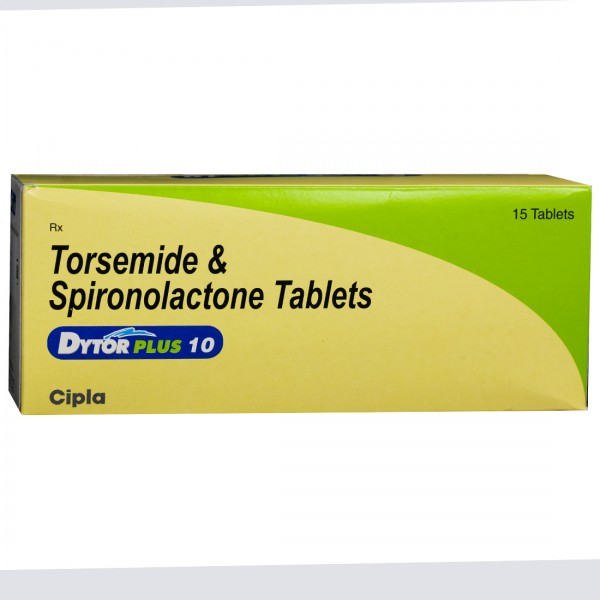
MEDICINE OVERVIEW OF Dytor Plus 10 mg Tablet (15 Tab)
THERAPEUTIC CLASS OF Dytor Plus 10 mg Tablet (15 Tab)
WHY Dytor Plus 10 mg Tablet (15 Tab) IS PRESCRIBED
Substitutes for - Dytor Plus 10 mg Tablet (15 Tab)
HOW IT WORKS
HOW TO TAKE
WHEN TO TAKE
Dytor Plus 10 mg Tablet (15 Tab) Warnings
Precautions of Dytor Plus 10 mg Tablet (15 Tab)
Contraindications of Dytor Plus 10 mg Tablet (15 Tab)
Side Effects of Dytor Plus 10 mg Tablet (15 Tab)
Alcohol Interaction
Food to Avoid
Pregnancy/Lactation Protocol
Storage of Dytor Plus 10 mg Tablet (15 Tab)
- Doctor's Note Required for this item
- Country of Origin: India
- Expires on: Jan 2028
- 14 days Return Policy
- Manufacturer Details
-
Seller Information:
Doctor's Note Required
MRP*:
Rs.111.42
Save 18%
Rs.91.36 (* Inclusive of all taxes)
₹ 6.09/Tablet (inclusive of all taxes)Dytor Plus 10 Tablet Overview:
Dytor Plus 10 Tablet is a combination medication containing two active
ingredients: torsemide and spironolactone. It’s primarily used to help the body
get rid of excess fluid, which can build up due to conditions like heart
failure, liver disease, or kidney problems. By reducing fluid retention, it
helps relieve swelling (edema) and can also assist in managing high blood
pressure. This medicine works as a diuretic, often called a "water
pill," and is prescribed by doctors to improve symptoms related to fluid
overload and support overall heart and kidney health.
Composition-
Each uncoated tablet contains: Torsemide 10 mg and Spironolactone 50 mg.
Uses & Benefits of Dytor Plus 10 Tablet:
Dytor Plus 10 Tablet is mainly used to treat edema caused by conditions such as
heart failure, liver cirrhosis, or kidney disorders like nephrotic syndrome. It
helps reduce swelling in areas like the legs, ankles, or abdomen, making it
easier to move and breathe. Additionally, it’s effective in managing high blood
pressure, especially when linked to excessive levels of a hormone called
aldosterone. By removing extra fluid and salt, it lowers blood pressure,
reduces strain on the heart, and improves circulation, which can enhance
overall comfort and quality of life for people with these conditions.
Dosage of Dytor Plus 10 Tablet:
• Usage Direction
Take Dytor Plus 10 Tablet exactly as prescribed by your doctor, usually once
daily in the morning with food to prevent stomach upset and avoid frequent
urination at night. Swallow the tablet whole without chewing or crushing it.
The dosage depends on your condition, age, and how your body responds to the
medicine. For best results, try to take it at the same time each day. Always
follow your doctor’s instructions, and don’t stop taking it suddenly without
consulting them, as this could worsen your condition.
• Missed Dose
If you forget to take a dose of Dytor Plus 10 Tablet, take it as soon as you
remember. However, if it’s almost time for your next scheduled dose, skip the
missed one and continue with your regular dosing schedule. Never take a double
dose to make up for the missed one, as this can increase the risk of side
effects like dehydration or low blood pressure. If you frequently miss doses,
talk to your doctor for advice on managing your medication schedule.
• Overdose
Taking more than the prescribed dose of Dytor Plus 10 Tablet can lead to
serious issues like severe dehydration, low blood pressure, dizziness, or
electrolyte imbalances (such as low sodium or high potassium levels). Symptoms
of an overdose may include nausea, vomiting, confusion, or fainting. If you suspect
an overdose, seek immediate medical help by contacting your doctor or visiting
the nearest hospital. Always keep this medication out of reach of others to
prevent accidental overuse.
How Dytor Plus 10 Tablet Works:
Dytor Plus 10 Tablet combines two diuretics that work together to remove excess
fluid from the body. Torsemide, a loop diuretic, encourages the kidneys to
flush out extra water and salt through urine, which helps reduce swelling and
lowers blood pressure. Spironolactone, a potassium-sparing diuretic, also promotes
fluid removal but helps maintain the body’s potassium levels, preventing
excessive loss. This teamwork reduces fluid buildup without causing major
imbalances in important electrolytes, making it effective for managing edema
and high blood pressure.
Contraindications of Dytor Plus 10 Tablet:
Dytor Plus 10 Tablet should not be used if you’re allergic to torsemide,
spironolactone, sulfonylureas, or any other ingredients in the tablet. It’s
also not suitable for people with severe kidney failure (anuria), acute kidney
issues, severe liver problems (like hepatic coma), low blood pressure, heart
rhythm problems, or high potassium levels (hyperkalemia). Those with Addison’s
disease or taking certain antibiotics (like aminoglycosides or cephalosporins)
should avoid this medicine. Always inform your doctor about your medical
history before starting this medication.
Precautions & Warnings of Dytor Plus 10 Tablet:
Before taking Dytor Plus 10 Tablet, tell your doctor if you have kidney, liver,
or heart problems, diabetes, or a history of electrolyte imbalances. Regular
monitoring of your blood pressure, kidney function, and electrolyte levels
(like potassium and sodium) is important while using this medicine. Avoid
taking it if you’re dehydrated or have low urine output. Be cautious if you’re
on other medications that affect potassium levels, as this could lead to
complications. Children under 18 shouldn’t use this medication, as its safety
hasn’t been established for them.
Side Effects of Dytor Plus 10 Tablet:
Common side effects of Dytor Plus 10 Tablet include dizziness, frequent
urination, headache, diarrhea, and period pain in women. Some people may
experience tiredness, nausea, or muscle weakness. More serious side effects,
though rare, include allergic reactions (rash, itching, swelling), irregular
heartbeats, or severe dehydration. If any side effects persist, worsen, or feel
concerning, contact your doctor promptly. They may suggest ways to manage these
effects or adjust your treatment.
Pregnancy:
The safety of Dytor Plus 10 Tablet during pregnancy is not fully established.
Animal studies suggest low or no risk to the developing baby, but human studies
are limited. If you’re pregnant, planning to become pregnant, or suspect you
might be, consult your doctor before using this medicine. They’ll weigh the
benefits against potential risks and may suggest safer alternatives if needed.
Breastfeeding:
Dytor Plus 10 Tablet may pass into breast milk in small amounts, which could
potentially harm a nursing baby. It’s generally not recommended during
breastfeeding, and you may need to choose between discontinuing the medicine or
stopping breastfeeding. Discuss this with your doctor to determine the best
course of action for you and your baby.
Food Interaction:
Avoid eating foods high in potassium, such as bananas, potatoes, or broccoli,
while taking Dytor Plus 10 Tablet, as it can increase potassium levels in your
blood, leading to hyperkalemia. Also, limit salt intake, as excessive salt can
reduce the medicine’s effectiveness. Eating natural diuretic foods like
asparagus or leafy greens may help support the medication’s effects, but always
check with your doctor for dietary advice tailored to your condition.
Alcohol:
Drinking alcohol while taking Dytor Plus 10 Tablet is not recommended, as it
can increase the risk of side effects like dizziness, lightheadedness, or
fainting. Alcohol may also lower your blood pressure further, which can be
dangerous, especially if you’re standing or moving suddenly. To stay safe,
avoid or limit alcohol consumption and discuss any concerns with your doctor.
Driving & Using Machinery:
Dytor Plus 10 Tablet may cause dizziness or drowsiness in some people, which
can affect your ability to drive or operate heavy machinery. If you feel
lightheaded or sleepy after taking the tablet, avoid tasks that require focus
or alertness until you know how the medicine affects you. Always prioritize
safety and consult your doctor if these symptoms persist.
Drug Interaction:
Dytor Plus 10 Tablet can interact with other medications, potentially causing
complications. For example, combining it with potassium supplements, ACE
inhibitors, or certain blood pressure drugs can raise potassium levels, risking
heart rhythm issues. Nonsteroidal anti-inflammatory drugs (NSAIDs),
corticosteroids, or antibiotics like cephalosporins may also interact,
affecting the medicine’s effectiveness or increasing side effects. Always
inform your doctor about all medications, supplements, or herbal products
you’re taking to avoid harmful interactions.
Storage Information:
Store in cool & dry place, protect from light.
Keep out of reach of children.
Dispose of unused Tablets properly or as advised by your pharmacist.
Other Notes
To get the most out of Dytor Plus 10 Tablet, maintain a healthy lifestyle by
exercising regularly, avoiding smoking, and reducing stress. Stay hydrated, but
don’t overdo fluid intake, as this could affect the medication’s ability to
manage fluid buildup. Your doctor may recommend regular blood tests to check
your kidney function and electrolyte levels. Never adjust the dose or stop
taking the medicine without consulting your doctor, as this could lead to
serious health issues.
Frequently Asked Questions
Q: How soon will I notice the effects of Dytor Plus 10 Tablet?
A: You may notice reduced swelling or increased urination within a few hours of
taking the tablet. However, full benefits for conditions like high blood
pressure or heart failure may take days to weeks. Always follow your doctor’s
guidance.
Q: Can I take Dytor Plus 10 Tablet for weight loss?
A: No, this medicine is not for weight loss. It’s prescribed to manage edema
and high blood pressure. Using it for weight loss can cause serious side
effects like dehydration or electrolyte imbalances.
Q: Is Dytor Plus 10 Tablet safe for long-term use?
A: Yes, it can be used long-term if prescribed by your doctor, but regular
monitoring of kidney function, blood pressure, and electrolytes is essential to
ensure safety and effectiveness.
Q: What should I do if I feel dizzy after taking Dytor Plus 10
Tablet?
A: If you feel dizzy, sit or lie down until the feeling passes. Avoid sudden
movements, and don’t drive or operate machinery. Contact your doctor if
dizziness persists or worsens.
A: No, don’t stop taking it without consulting your doctor, even if you feel better. Stopping suddenly can cause a rise in blood pressure or worsening of your condition.

Disclaimer: The information on this site is not intended or implied to be a substitute for professional medical advice, diagnosis or treatment. All content, including text, graphics and information, contained on or available through this website is for general information purposes only. SastaSundar.com makes no representation and assumes no responsibility for the accuracy of information contained on or available through this website and such information is subject to change without notice. You are encouraged to confirm any information obtained from or through this web site with other sources and review all information regarding any medical condition or treatment with your physician. NEVER DISREGARD PROFESSIONAL MEDICAL ADVICE OR DELAY SEEKING MEDICAL TREATMENT BECAUSE OF SOMETHING YOU HAVE READ ON OR ACCESSED THROUGH ANY WEBSITE.
SastaSundar.com does not recommend, endorse or make any representation about the efficacy, appropriateness or suitability of any specific products, procedures, treatments, opinions or other information that may be contained on or available through this website.